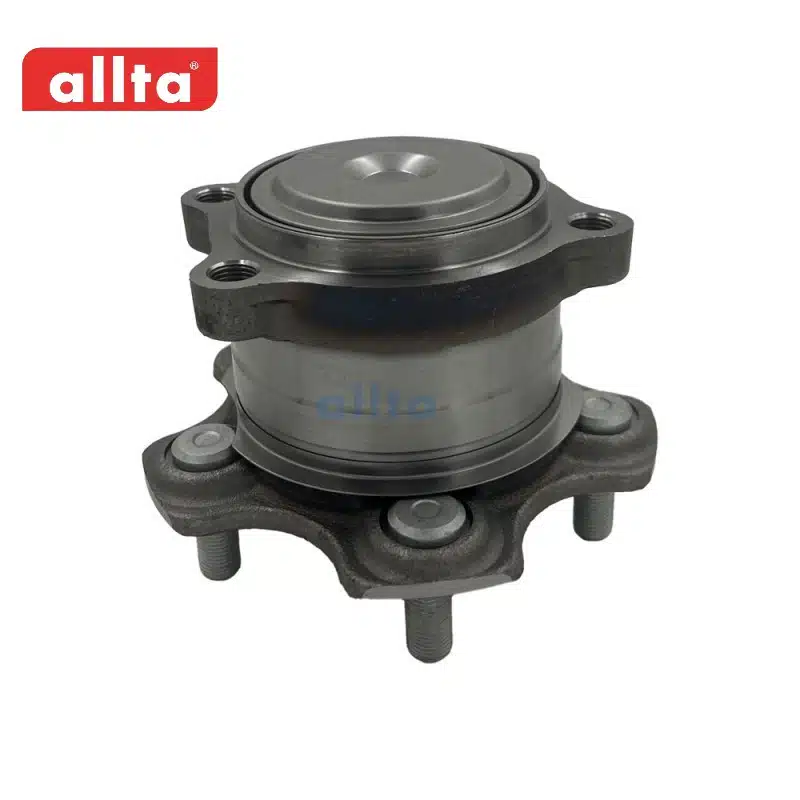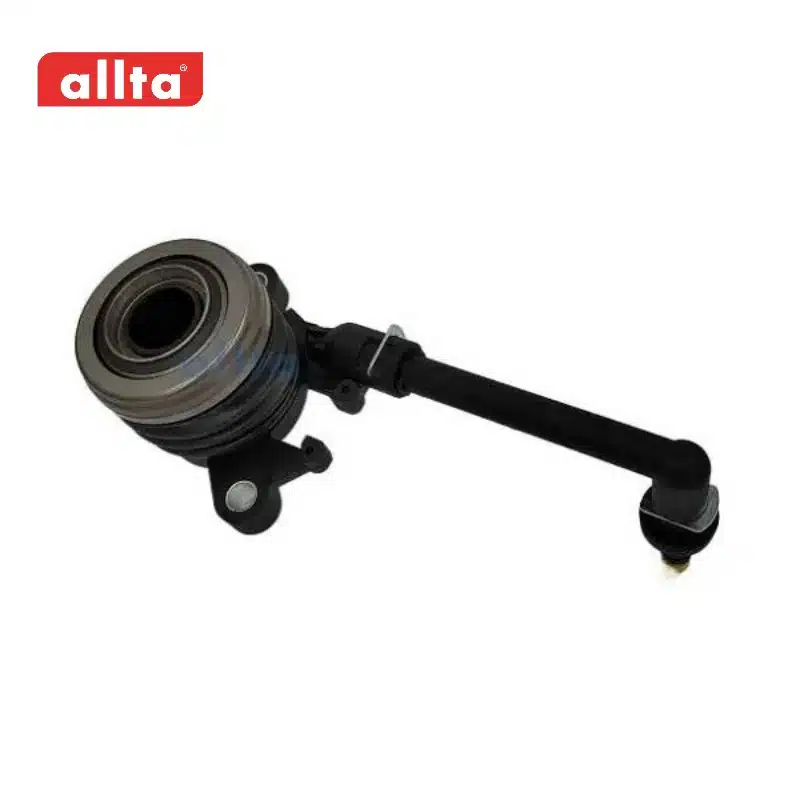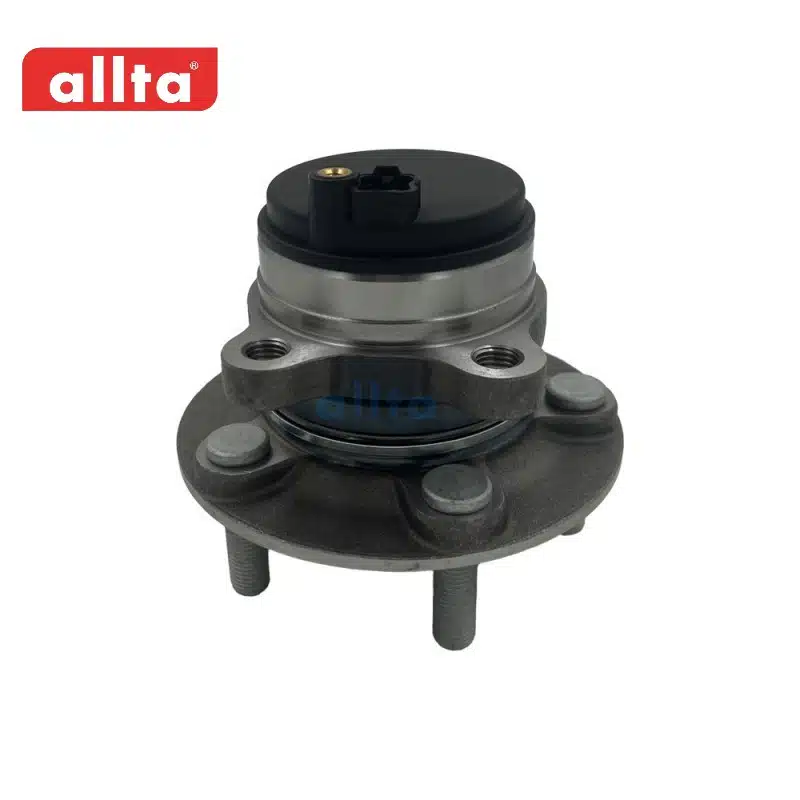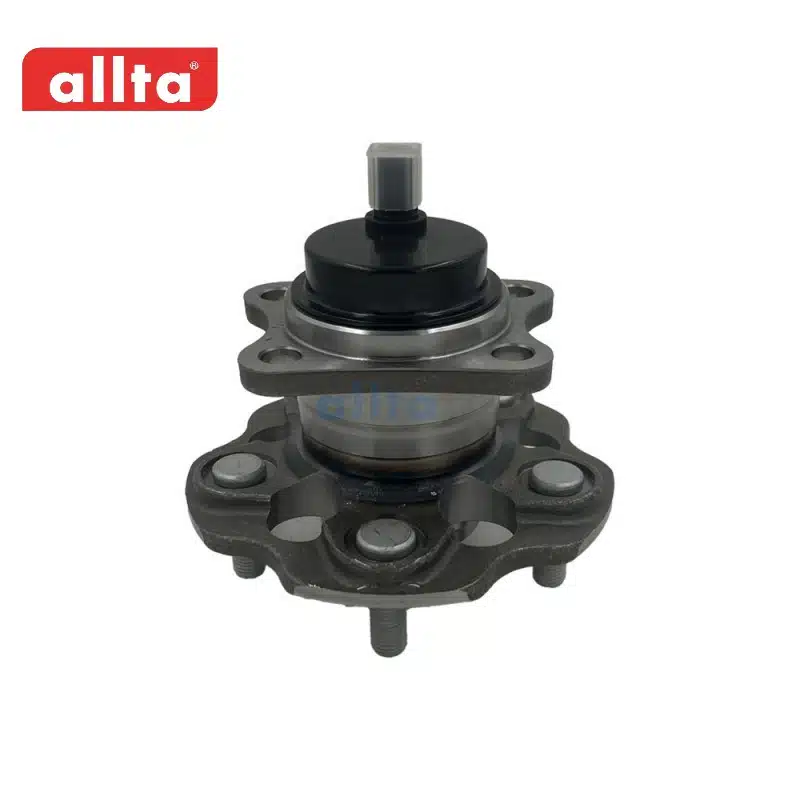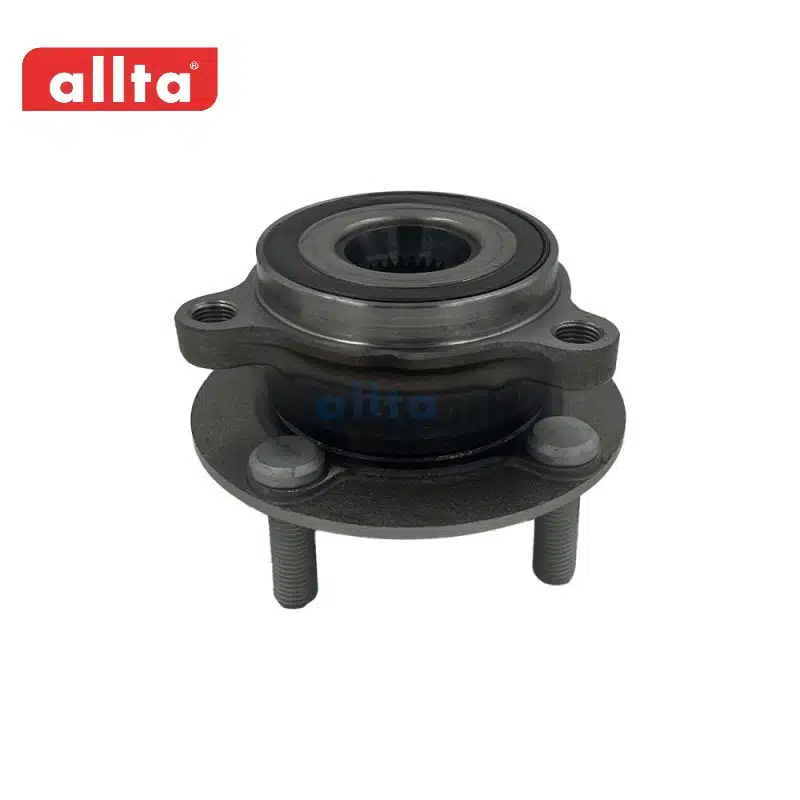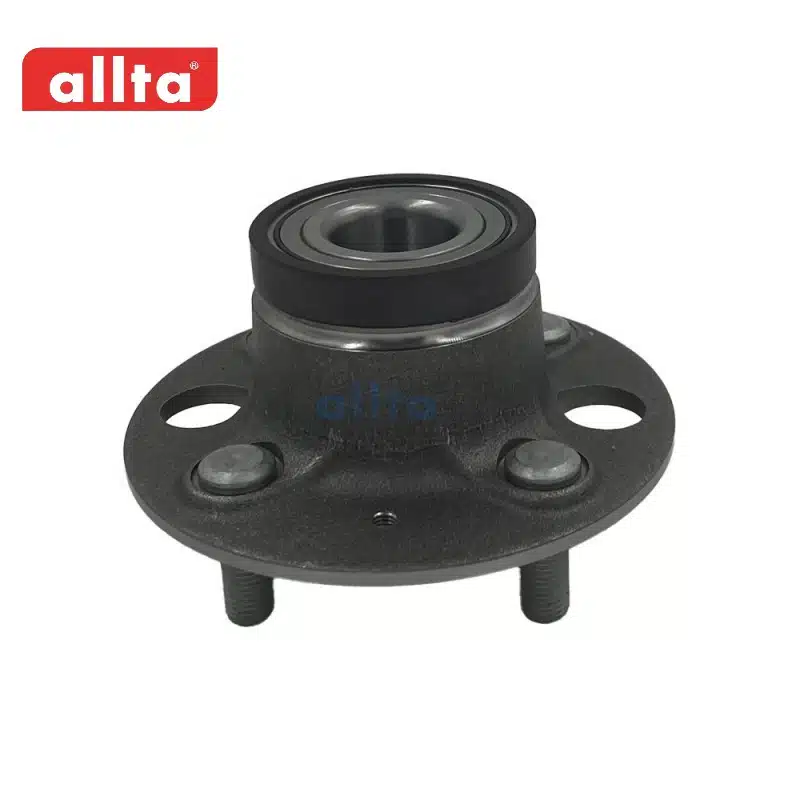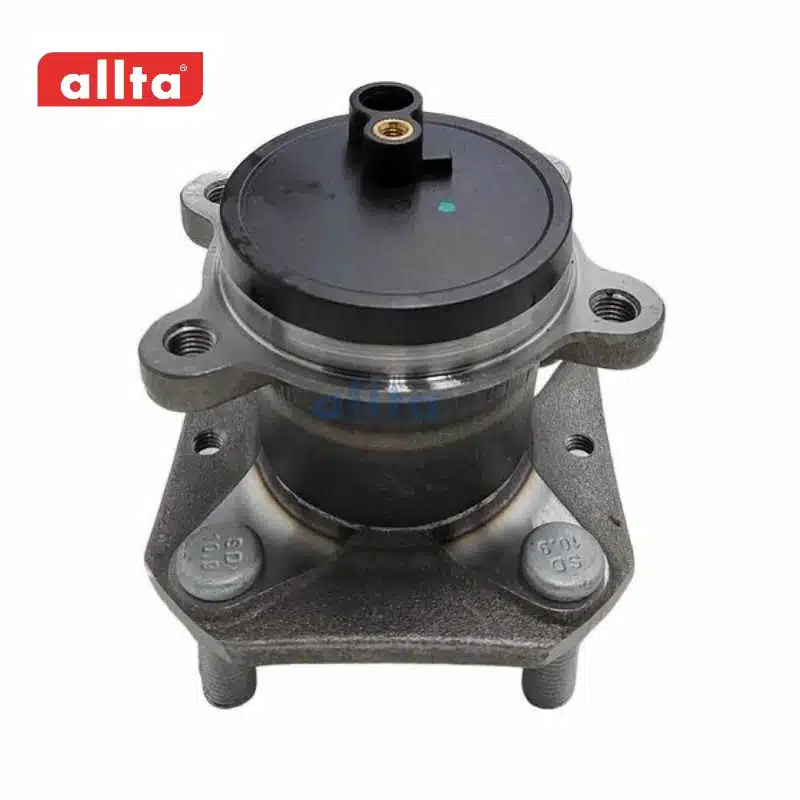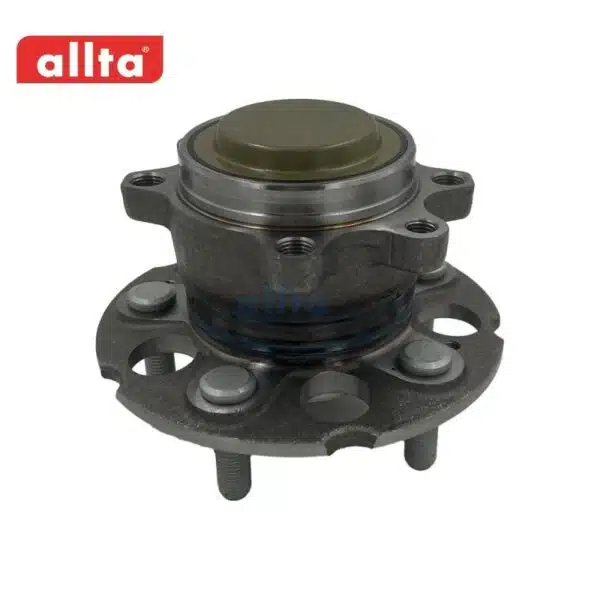





A wheel hub bearing is a small part with a big job: it supports the vehicle weight, lets the wheel rotate smoothly and, on most modern cars, carries the ABS sensor ring. When it starts to fail, the symptoms are easy to mistake for tyre noise, suspension problems or brake wear. For fleet managers, repair shops and parts wholesalers, recognising the signs early helps avoid roadside failures and reduces the risk of ordering the wrong replacement.
This guide explains the five most common warning signs, how to verify the fault before you buy, and what information you should prepare when sourcing a replacement wheel hub bearing assembly.
1. Humming or Growling Noise That Changes With Speed
The earliest and most common sign is a low humming, roaring or growling noise from one wheel. The sound usually increases with vehicle speed and may change when the steering wheel is turned slightly left or right. That is because cornering shifts the load to the opposite side of the bearing.
A noisy tyre can sound similar, but tyre noise tends to stay constant in tone, while bearing noise often rises and falls with wheel speed. If the sound disappears or becomes quieter after a small steering input, the bearing on the opposite side is usually the one under load and likely to be worn.
2. Vibration Through the Steering Wheel or Floor
As the bearing wears, the wheel can develop small irregularities that you feel as a vibration through the steering wheel, floor pan or seat. Unlike an unbalanced wheel, which vibrates at a fairly narrow speed range, bearing-related vibration often becomes more obvious as speed builds and may be accompanied by the noise described above.
On front-wheel-drive vehicles, a worn front hub bearing can also make the steering feel less precise. On rear axles, the vibration is often felt through the body rather than the steering wheel.
3. Loose or Wandering Steering and Uneven Tyre Wear
Excessive bearing play allows the wheel to move slightly in and out at the hub. The driver may notice that the vehicle wanders on the road or that the steering feels loose. Over time, this movement changes the wheel alignment and can cause uneven or feathered tyre wear.
If new tyres wear out quickly on one wheel, especially on the inner or outer edge, do not replace the tyres again before checking the hub bearing and suspension joints. A worn bearing is often the hidden cause.
4. ABS Warning Light or Unstable ABS Behaviour
Many wheel hub bearing assemblies include a magnetic encoder ring for the ABS wheel-speed sensor. Damage to the bearing, contamination, or a failing encoder can send an incorrect speed signal to the ABS module. The result is an ABS warning light, traction-control warning, or ABS activating at low speed on dry roads.
When this happens, scan the vehicle for wheel-speed sensor codes and compare the live data from all four wheels. A wheel that reads zero or fluctuates at steady speed is a strong indicator of a hub bearing or encoder fault.
5. Wheel Play, Grinding or an Overheated Hub
In advanced cases, you can feel play by gripping the wheel at the 12 and 6 o'clock positions and rocking it in and out. Any movement should be almost zero. Grinding during rotation, visible rust or damage around the hub, or a hub that is unusually hot after driving are all signs that the bearing should be replaced immediately.
Continuing to drive with a badly worn bearing can damage the hub, brake rotor, ABS sensor and even the steering knuckle, turning a relatively simple parts replacement into a much larger repair bill.
How to Confirm the Fault Before Ordering
Before you place an order, a few simple checks can prevent a wrong part:
- Road test: note at what speed the noise appears and whether steering left or right changes it.
- Lift check: with the wheel off the ground, spin it by hand and listen for roughness; rock it top and bottom to feel for play.
- ABS scan: read wheel-speed sensor codes and live data, especially on vehicles with an ABS warning light.
- Visual check: look for seal damage, rust around the bearing, uneven rotor wear or a damaged sensor wire.
- Confirm the OE number: use the number on the old bearing or hub assembly as the primary reference, not only the vehicle model.
If you are not sure how to read the number on the old part, our guide on how to find the correct wheel hub bearing by OE number explains where the number is located and what details to send to a supplier.
How to Choose the Correct Replacement Bearing
Two hub assemblies that look identical can still be incompatible. To make sure you receive the correct part, prepare the following information:
- OE number: the fastest and most reliable identifier. For example, 42450-02080, 43550-33020, 1K0498621, 42200-TLA-A51 and A1673340300 all refer to specific applications.
- Front or rear axle: the same vehicle usually uses different assemblies on different axles.
- ABS type: confirm whether the assembly includes an ABS sensor, sensor ring or magnetic encoder, and whether the connector matches.
- Flange and bolt pattern: check the number of bolts, bolt-circle diameter and overall flange size.
- Driving market: vehicles built for different regions may use different hub specifications even under the same model name.
- Quality and warranty: for wholesale orders, ask about bearing steel, sealing design, grease specification and warranty terms.
At ALLTA Bearing, we supply wheel hub bearing assemblies for Toyota, Nissan, Honda, Volkswagen, Mercedes-Benz, Ford, Mazda and many other applications. Representative references include the 42450-02080 rear hub bearing, 43550-33020 front hub bearing, 43202-ED510 wheel hub bearing, 1K0498621 for Volkswagen and Audi, 42200-TLA-A51 for Honda and the A1673340300 bearing for Mercedes-Benz GLE. Every listing shows the vehicle application and cross-reference numbers so buyers can match the old part quickly.
Frequently Asked Questions
Can I drive with a bad wheel hub bearing?
Short-distance driving at low speed may be possible, but it is not recommended. A failing bearing can overheat, seize or cause loss of wheel control. Replace it as soon as the fault is confirmed.
How long does a wheel hub bearing usually last?
There is no fixed interval. Depending on load, road conditions, sealing quality and driving style, a hub bearing may last from 60,000 to over 150,000 km. Sealed assemblies are usually replaced as a complete unit.
Is it better to replace one bearing or both sides?
If both sides have similar mileage and one has failed, many workshops replace the pair to avoid a second visit. For fleet vehicles, replacing both sides also simplifies stock planning.
Do I need to replace the ABS sensor with the hub bearing?
Not always. If the sensor and connector are in good condition and the fault is only in the bearing or encoder ring, the existing sensor can often be reused. If the ABS warning light remains after replacement, test the sensor and wiring.
Send Us Your OE Number
If you have identified a failing wheel hub bearing and need a reliable replacement, send us the OE number from the old part, the vehicle model and year, and the quantity required. Our team will confirm the application, provide a quotation and arrange worldwide shipping with a two-year warranty.